



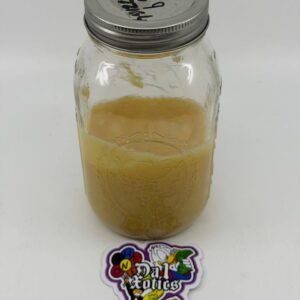

Buy Badders Online

Price range: $35.99 through $499.99
Badders are refined cannabis concentrate known for its creamy consistency, terpene preservation, and concentrated cannabinoid profile. Understanding its structure, production science, quality indicators, and legal context helps promote informed awareness.
Badder Explained: A Complete Educational Guide to One of the Most Popular Cannabis Concentrates
Introduction to Badder
Badder is a cannabis concentrate that has gained significant attention for its smooth texture, rich aroma, and strong cannabinoid profile. Often compared to cake batter or whipped frosting in appearance, this concentrate is valued for its consistency, terpene preservation, and refined production process. As cannabis education becomes more important for consumers, understanding what this concentrate is, how it is made, and how it differs from other concentrates helps promote informed decision-making.

What Is Badder?
Badder is a type of cannabis concentrate known for its creamy, whipped consistency and high potency. It falls under the broader category of cannabis extracts that are made by separating cannabinoids and terpenes from the plant material.
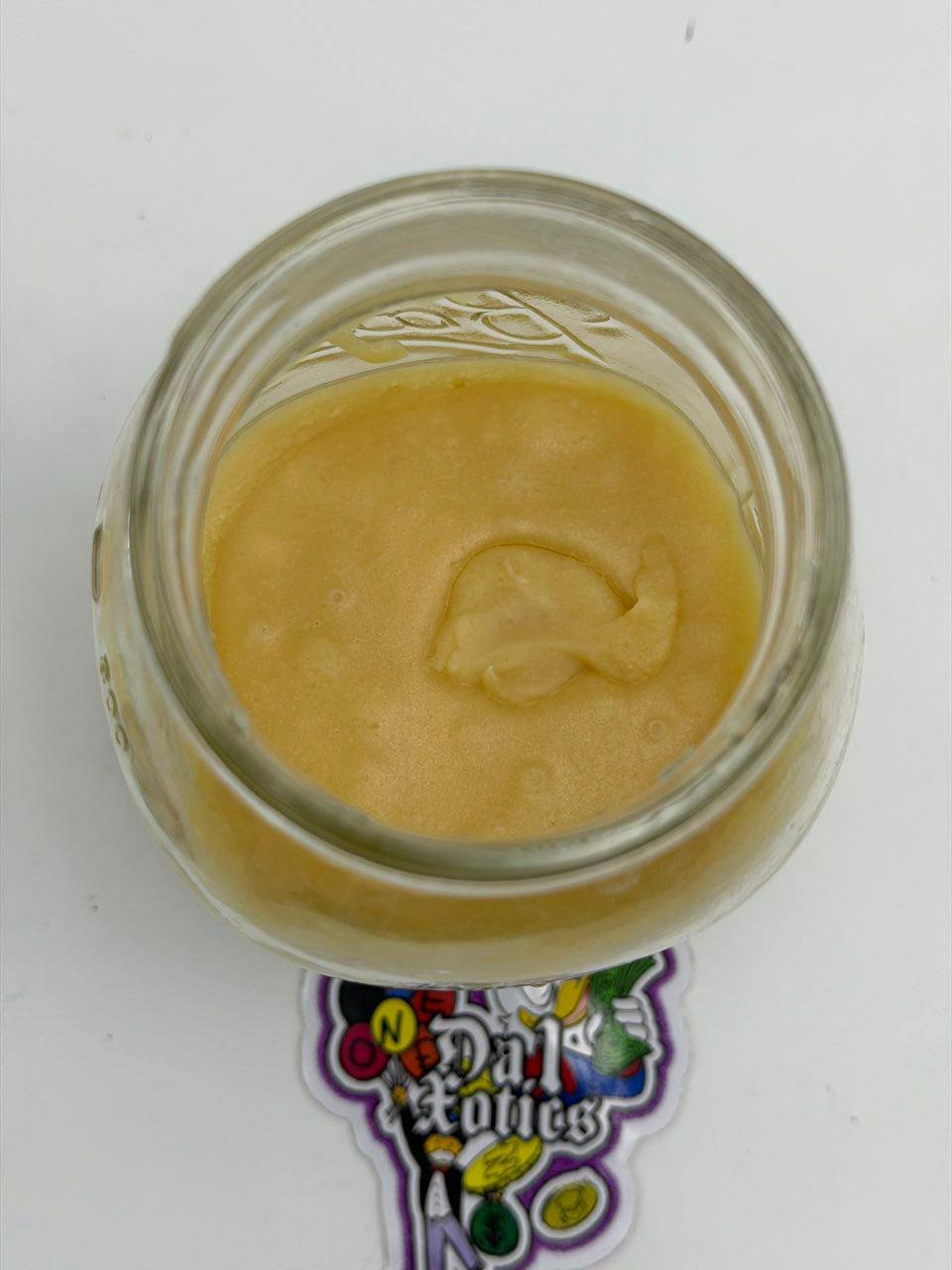
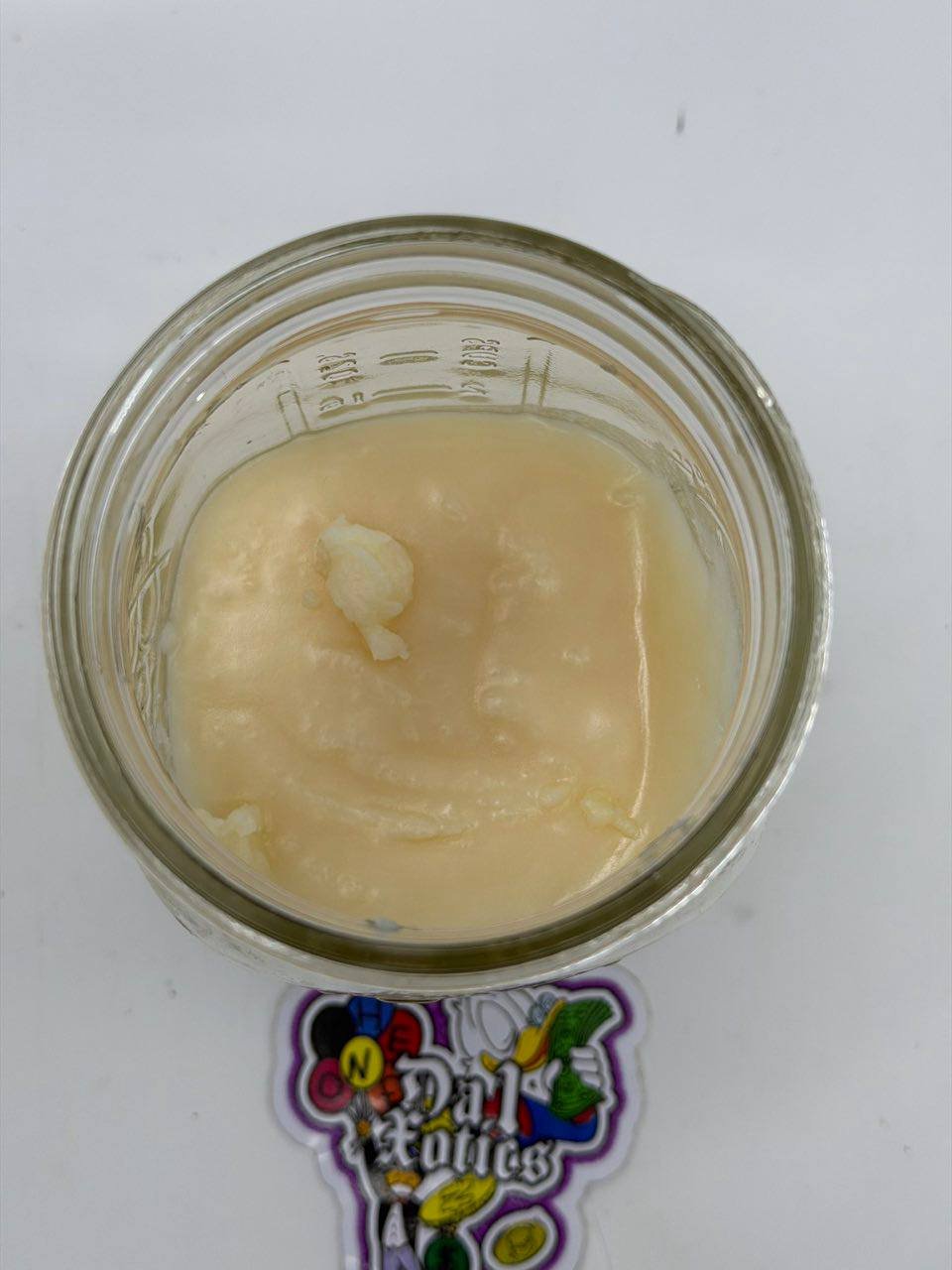
What makes badder unique is its micro-crystalline structure, which forms during post-extraction agitation. This structure traps terpenes effectively, giving badder its soft texture and strong aroma.
Key characteristics of badder include:
-
Smooth, creamy texture
-
Opaque or light golden appearance
-
High terpene retention
-
Concentrated cannabinoid content
The Science Behind This Concentrate
Cannabinoids and Terpenes
These concentrates contains concentrated cannabinoids such as THC or CBD, depending on the source material. Cannabinoids interact with the human endocannabinoid system, while terpenes contribute to aroma, flavor, and entourage effects.
The balance of cannabinoids and terpenes is what gives this concentrate its reputation for being both flavorful and potent.
Crystallization Process
Unlike brittle concentrates, badders forms when cannabinoids begin to crystallize while being continuously mixed. This agitation prevents large crystal formation and instead produces a smooth, uniform texture.
This process is similar to whipping cream, where air and motion change the structure of the substance.
How Badder Is Made (High-Level Overview)
Badder is created through a controlled extraction and refinement process. While specific techniques vary by licensed producers, the general stages include:
-
Extraction – Cannabinoids and terpenes are separated from cannabis plant material using approved methods.
-
Purging – Residual solvents are removed under controlled conditions.
-
Agitation – The extract is whipped or stirred to encourage micro-crystal formation.
-
Curing – The concentrate stabilizes into its final creamy form.
This process requires precise temperature control and professional equipment to maintain purity and consistency.
Texture and Appearance of Badder
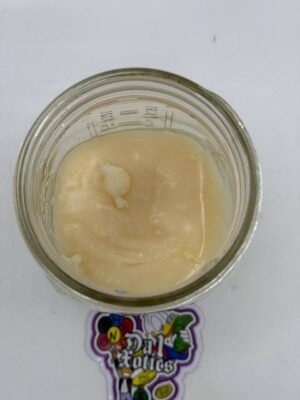
One of the defining features of this concentrate is its texture. It is typically described as:
-
Creamy
-
Spreadable
-
Moist but stable
Color can range from pale yellow to light amber, depending on the strain, extraction method, and curing process.
Consistency is an important quality indicator. Concentrates that appears overly dry or excessively runny may indicate poor storage or processing issues.
Aroma and Flavor Profile
This concentrate is known for preserving terpenes exceptionally well. This leads to a strong, strain-specific aroma that may be described as:
-
Fruity
-
Earthy
-
Sweet
-
Herbal
Flavor intensity is one of the reasons this concentrate is favored among concentrate enthusiasts who prioritize sensory experience.
Potency and Concentration Levels
This concentrate is a highly concentrated cannabis product. Because of this, small quantities contain a large amount of cannabinoids.
Educational awareness is essential, as concentrates are significantly stronger than traditional cannabis flower. This concentration underscores the importance of responsible handling, labeling, and legal compliance.
Storage and Stability
Proper storage plays a key role in maintaining the quality of these concentrates.
General storage principles include:
-
Keeping it away from heat and light
-
Using airtight containers
-
Maintaining stable temperatures
Exposure to heat or oxygen may degrade cannabinoids and evaporate terpenes, leading to changes in texture and aroma.
Quality Indicators of Premium Badders
High-quality concentrate typically shows:
-
Uniform, creamy consistency
-
Strong but clean aroma
-
No visible contaminants
-
Stable texture over time
Reputable producers also provide lab testing information that verifies cannabinoid content and purity.
Legal and Regulatory Considerations
The legality of this concentrate depends on regional cannabis laws. In many regulated markets, concentrates are subject to:
-
Potency limits
-
Age restrictions
-
Mandatory lab testing
-
Clear labeling requirements
Consumers are encouraged to understand local regulations and only purchase from licensed sources where cannabis products are legally permitted.
Educational Awareness and Responsible Knowledge
Education around this concentrate is important not only for understanding the product but also for promoting public safety and informed choices. Concentrates are intended for adult use in legal jurisdictions and should always be handled responsibly.
Clear labeling, proper storage, and awareness of potency help reduce misuse and misunderstanding.
Common Myths About Badders
Myth 1: Badder and wax are always the same
While similar, they differ in texture refinement and terpene retention.
Myth 2: Strong smell means poor quality
A strong aroma often indicates preserved terpenes, not contamination.
Myth 3: Color alone determines quality
Texture, aroma, and lab results matter more than appearance alone.
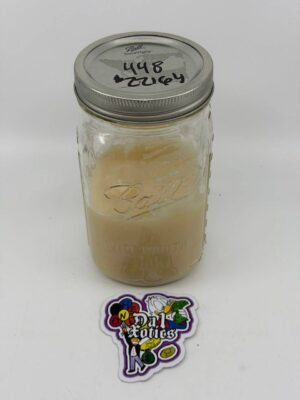
The Role of Badders in Modern Cannabis Culture
Badder represents innovation in cannabis extraction and refinement. Its popularity reflects a broader trend toward cleaner, more controlled concentrates with enhanced terpene profiles.
As the cannabis industry evolves, this concentrates continues to be a benchmark for texture-focused concentrates.
Final Thoughts
Badders are refined cannabis concentrates known for its creamy consistency, terpene preservation, and concentrated cannabinoid profile. Understanding its structure, production science, quality indicators, and legal context helps promote informed awareness.
| Flavors | Sweet Berry,, Blueberry Muffin,, Strawberry Cream,, Raspberry Gelato,, Mixed Berry,, Citrus Zest,, Lemon Drop, 1 Gram, 3.5 Grams, 7 Grams, 14 Grams, 28 Grams |
|---|
Be the first to review “Buy Badders Online”
Related products


Concentrate

Concentrate


Concentrate

Concentrate


Concentrate


Concentrate


Concentrate


Concentrate
Reviews
There are no reviews yet.