





Buy CBX 1G Cold Cure Rosin Online


Price range: $55.00 through $5,150.00
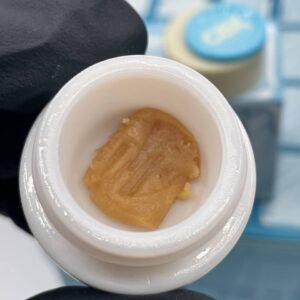
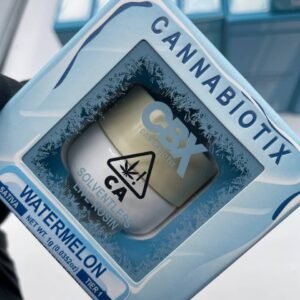
CBX 1G Cold Cure Rosin represents a category of solventless concentrate shaped by patience, precision, and respect for natural characteristics. Through cold curing, careful handling, and attention to starting material, products in this class highlight what thoughtful processing can achieve.
An Educational Guide to CBX 1G Cold Cure Rosin: Craft, Quality, and What Sets It Apart
As the concentrate landscape matures, consumers are increasingly interested in products that emphasize purity, craftsmanship, and consistency. Among the many forms of solventless concentrates, cold-cured rosin has emerged as a category defined by careful handling and attention to detail. One product that frequently comes up in discussions of quality and refinement is CBX 1G Cold Cure Rosin, known for its focus on clean inputs, controlled processing, and flavor-forward results.

Understanding Solventless Concentrates
To appreciate cold cure rosin, it helps to first understand the broader category it belongs to. Solventless concentrates are produced without the use of chemical solvents. Instead, they rely on physical processes—such as heat, pressure, and water agitation—to separate desirable compounds from plant material.
Why Solventless Matters
Many consumers gravitate toward solventless concentrates because they value:
-
Minimal processing
-
Preservation of natural compounds
-
Clean production methods
-
Transparency in craftsmanship
Solventless techniques aim to showcase the plant’s inherent qualities rather than alter them through aggressive extraction.
What Is Rosin?
Rosin is a solventless concentrate created by applying heat and pressure to plant material or hash. This process releases a resinous substance rich in naturally occurring compounds. Because no solvents are used, the outcome depends heavily on input quality and precise control during processing.
Rosin is often appreciated for:
-
Its expressive aroma
-
Soft, workable texture
-
Emphasis on natural profiles
-
Small-batch craftsmanship
Within the rosin category, curing methods play a critical role in shaping the final product.
The Meaning of “Cold Cure”
Curing refers to how rosin is allowed to stabilize and develop after it is pressed. A cold cure involves storing freshly pressed rosin at lower temperatures for an extended period. This slow, controlled process allows the concentrate to naturally change in texture and consistency while preserving aromatic integrity.
Why Cold Curing Is Important
Cold curing can influence:
-
Texture refinement
-
Aroma expression
-
Visual appearance
-
Long-term stability
Products such as CBX 1G Cold Cure Rosin are associated with this method because it prioritizes preservation over speed, allowing the concentrate to mature gradually.

Texture and Consistency Explained
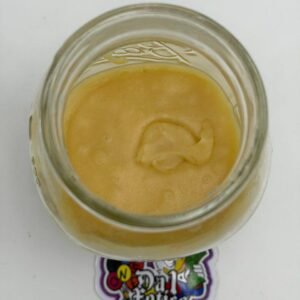
One of the most noticeable aspects of cold-cured rosin is its texture. Unlike freshly pressed rosin, which can appear glossy or sappy, cold-cured rosin often develops a more uniform, creamy consistency.
Common Characteristics
Cold-cured rosin may exhibit:
-
A smooth, buttery texture
-
Even coloration
-
Easy handling consistency
-
Reduced oil separation over time
These traits are often viewed as indicators of careful curing and proper storage conditions.
Aroma and Flavor Preservation
Aroma plays a central role in how consumers evaluate rosin quality. Because cold curing minimizes exposure to heat, it helps retain delicate aromatic compounds that might otherwise degrade.
How Aroma Develops During Cold Cure
Over time, cold curing allows aromatic compounds to:
-
Stabilize naturally
-
Become more pronounced
-
Express layered profiles
-
Maintain clarity and balance
For products like CBX 1G Cold Cure Rosin, this emphasis on aroma is a key part of their appeal among connoisseurs.
The Role of Starting Material
In solventless concentrates, the quality of the starting material has an outsized impact on the final result. Since there is no solvent to refine or strip impurities, any deficiencies in the source material are more noticeable.
What High-Quality Inputs Contribute
High-quality starting material can result in:
-
Cleaner appearance
-
More expressive aroma
-
Balanced consistency
-
Fewer unwanted byproducts
This is why solventless producers place significant emphasis on sourcing and handling before extraction ever begins.
Small-Batch Craftsmanship and Consistency
Cold cure rosin is often produced in smaller batches compared to mass-market concentrates. This approach allows for closer monitoring and more precise adjustments throughout the process.
Benefits of a Small-Batch Approach
Small-batch production supports:
-
Greater quality control
-
Consistent curing conditions
-
Attention to detail
-
Reduced variability between batches
These factors contribute to the reputation of products like CBX 1G Cold Cure Rosin as carefully crafted rather than industrially processed.
Visual Indicators of Quality
While appearance alone doesn’t determine quality, experienced consumers often look for certain visual cues when evaluating cold-cured rosin.

Common Visual Traits
High-quality cold cure rosin often shows:
-
Uniform coloration
-
Smooth, cohesive texture
-
Minimal separation
-
Clean presentation
Visual consistency can suggest proper curing and storage practices, though it should always be considered alongside aroma and texture.
Storage and Stability Considerations
Cold-cured rosin is sensitive to environmental factors. Temperature fluctuations and exposure to air can affect texture and aroma over time.
Why Stability Matters
Proper stability helps:
-
Preserve aroma
-
Maintain consistency
-
Prevent degradation
-
Extend shelf integrity
Products designed with cold curing in mind are typically handled with these factors carefully managed throughout their lifecycle.
How Cold Cure Rosin Differs From Other Concentrates
Understanding differences between concentrate types can help consumers make informed comparisons.
Key Differences at a Glance
| Attribute | Cold Cure Rosin | Live Resin | Distillate |
|---|---|---|---|
| Solvent Use | None | Yes | Yes |
| Processing Style | Low heat, slow cure | Chemical extraction | Highly refined |
| Texture Focus | Creamy, stable | Sauce-like | Thick liquid |
| Aroma Expression | Natural, layered | Strong but altered | Minimal |
The emphasis of CBX 1G Cold Cure Rosin is on preserving natural characteristics rather than maximizing output or uniformity.
Consumer Education and Responsible Awareness
Educational discussions around concentrates should emphasize informed awareness rather than guidance on use. Understanding how products are made helps consumers make thoughtful decisions aligned with their preferences.
Informed Evaluation Includes
-
Knowing the extraction method
-
Understanding curing techniques
-
Recognizing quality indicators
-
Considering storage and handling factors
This type of knowledge empowers consumers without encouraging misuse or unsafe behavior.
Environmental and Process Transparency
Solventless methods are often discussed in the context of environmental responsibility because they eliminate chemical solvents from the extraction process.
Sustainability Considerations
While no process is entirely impact-free, solventless approaches may:
-
Reduce chemical waste
-
Lower reliance on industrial solvents
-
Emphasize minimal processing
Transparency in production methods supports trust and informed decision-making.
Who Cold Cure Rosin Appeals To
Cold cure rosin is often appreciated by individuals who:
-
Value craftsmanship and process transparency
-
Prefer solventless concentrates
-
Enjoy nuanced aroma profiles
-
Seek consistency over mass production
Products like CBX 1G Cold Cure Rosin tend to attract consumers interested in quality-driven offerings rather than convenience-focused alternatives.
Market Trends in Solventless Concentrates
The broader market has seen increasing interest in solventless products as consumer education improves. Cold cure rosin, in particular, reflects a trend toward refinement rather than rapid production.
Notable Trends Include
-
Greater emphasis on curing techniques
-
Improved storage standards
-
Focus on texture and stability
-
Increased consumer awareness
These trends suggest continued growth in appreciation for carefully produced concentrates.
Final Thoughts
CBX 1G Cold Cure Rosin represents a category of solventless concentrate shaped by patience, precision, and respect for natural characteristics. Through cold curing, careful handling, and attention to starting material, products in this class highlight what thoughtful processing can achieve.
| Flavors | Lemon Burst, Tropical Sorbet, Grape Gas, Cherry Cream, Pineapple Splash, Mango Fuel, Berry Gelato, Citrus Haze, Vanilla Frost, Melon Rush, Blueberry Dream, Strawberry Nectar, Peach Punch, Apple Fritter, Banana Melt, Orange Zest, Watermelon Drip, Papaya Twist, Jar, Half OZ, OZ, QP, HP, LB |
|---|
Be the first to review “Buy CBX 1G Cold Cure Rosin Online”
Related products


Concentrate


Concentrate


Concentrate

Concentrate


Concentrate

Concentrate


Concentrate
Concentrate
Reviews
There are no reviews yet.